ania zoltkowski
ania zoltkowski
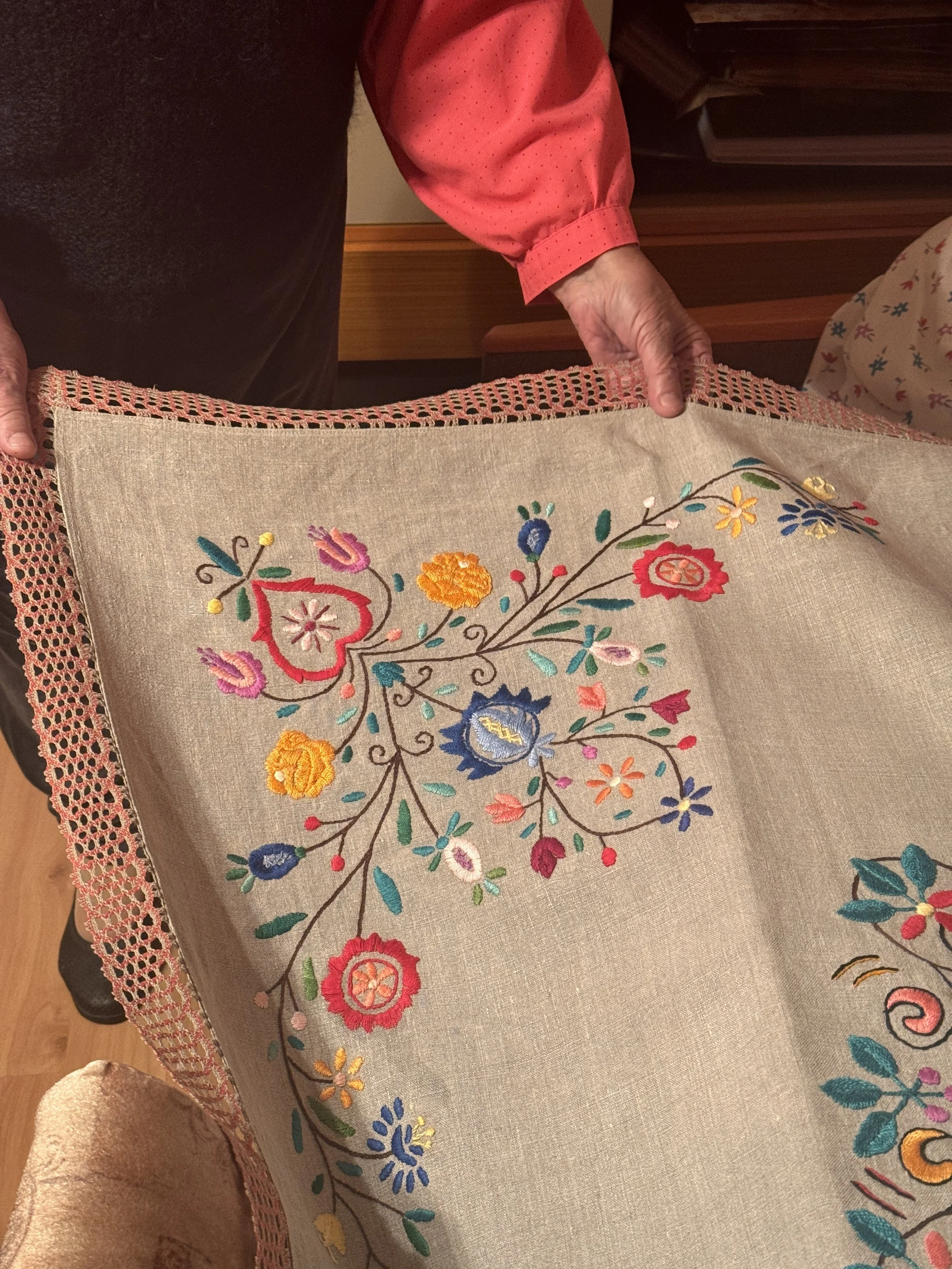
Before I had language for it, I could feel that textiles held something beyond utility or trend, something alive and very sacred.
I felt it in my grandmother’s textiles as a child, and later standing in front of the Vionnet retrospective in Paris at twenty, weeping without fully understanding why.
I felt it again and again and again.
Fashion and textiles, to me, was never just about garments. It was about energy, intimacy, memory, identity, and possibility.
I came to CREATION through magicK

So I followed that feeling.
Growing up as a first-generation Australian to immigrant refugee parents taught me early to question official narratives — to look beneath the surface of things and sense what wasn’t being said. That instinct stayed with me as I entered the fashion industry. I wanted to find the place where beauty, meaning, and craftsmanship collaborated together.
There were moments that gave me a glimpse. Fashion school was one of them: a community of different people creating alongside one another, each bringing their own world into the room. I thought the industry might feel like that too.
It didn’t.
Working in London inside one of the world’s most iconic fashion houses, I was surrounded by extraordinary garments — pieces full of history, artistry, and life. But the systems producing them told another story: exhaustion, hierarchy, scarcity, and disconnection. The deeper I went, the clearer it became that the industry’s outer beauty was too often being upheld by extractive ways of working that severed people from meaning, body from intuition, and creation from care.
And every time the industry showed me what it wanted me to become, something in me yelled - no!
Not because I wanted to leave fashion, but because I loved it too much to accept that this was the only way.
This became a lifelong inquiry:
what might creation become if it were created from a completely different place?
I spent years exploring what an alternative could be. I built a brand in collaboration with a fair-trade women’s empowerment workshop in India and witnessed first-hand how fashion could genuinely support and resource the women making it. I immersed myself in sustainability, at a time when few formal pathways existed.
Over time, this inquiry further led me through deep exploration into regeneration and consciousness, through academic research, teaching, community building, and later a PhD grounded in intuitive, relational, and pluriversal methodologies.
I also began to understand that the systems we are trying to transform are not only external. They also live within us — in the ways we disconnect from our own knowing, creativity, bodies, and power.
Today, I am an independent educator, researcher, and practitioner specialising in regenerative approaches for the creative industries.
My work lives at the intersection of creative industries, ecology, spirituality, paradigm change, and inner transformation.
I support people who are here to create differently and who know there are more beautiful ways forward.
Based on my philosophical and practice-led doctoral research in pluriversal fashion-textiles, I’ve developed frameworks that support practitioners in moving from extractive to regenerative paradigms — reconnecting work to the sacred, the relational, and the living systems we are part of.
My mission is to guide designers, scholars, leaders, visionaries, and organisations toward more intentional ways of creating, leading, and doing business in the world.
A few places this path has taken me:
Master’s in Fashion Futures from London College of Fashion.
Co-founding Sustainability 5.0 and the Spirit of Design Podcast.
Contributing to and advising for The Lissome.
Teaching design, systems thinking, research methods, fashion and design theory at the University of Technology, Sydney.
Collaborating with Timo Rissanen, Kate Fletcher and other sustainability pioneers.
Working globally across luxury fashion for Florence Deschamps, Vivienne Westwood and others.
You can view my fuller professional background on LinkedIn.



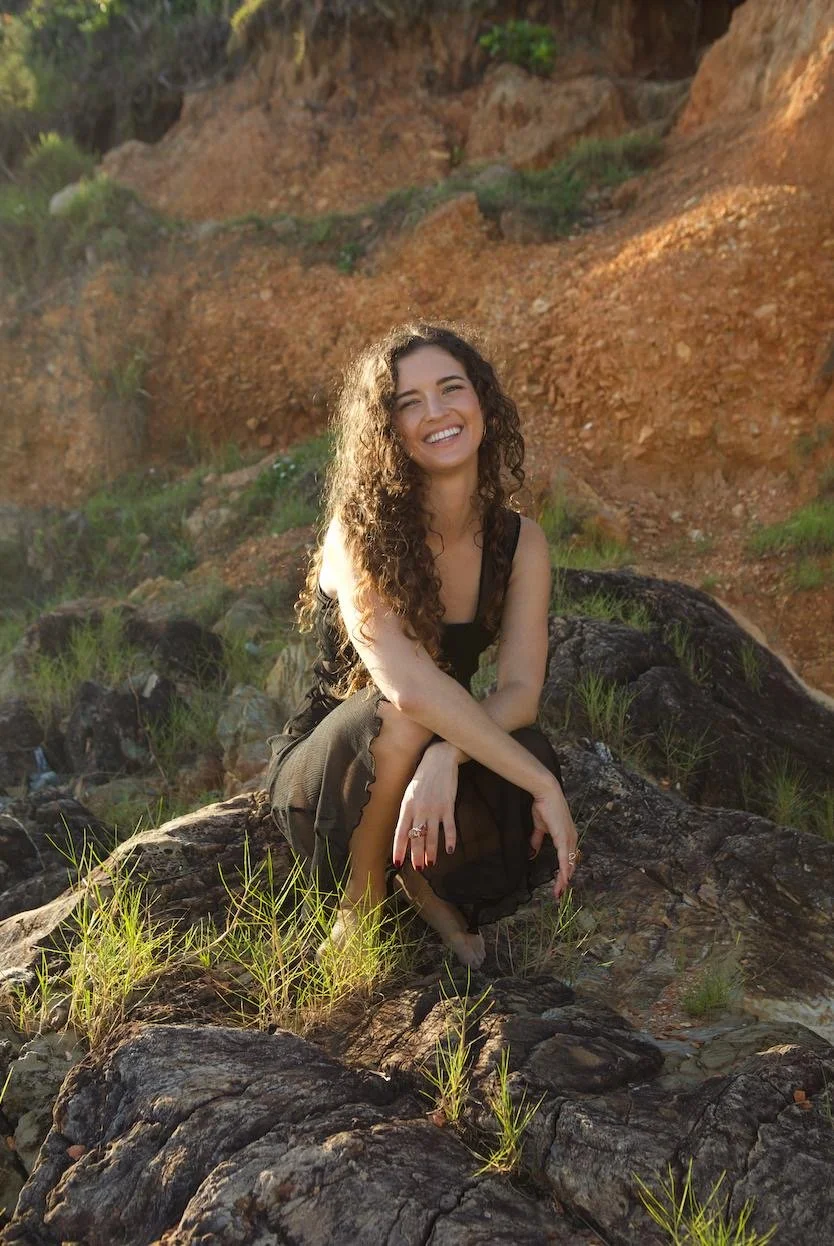
We don't do anything alone and this work has emerged through me as a result of the vast web of relationships that I have nurtured me.
I am grateful to my teachers, past and present.
I acknowledge the places, elements, more-than-humans, and ancestors that have held and continue to hold me. I am in gratitude to the caretakers of the unceded lands of Naarm, Meanjin, Gadigal, Worimi, Bundjalung, and Gayemagal. I also acknowledge the lands and wisdom of my western Slavic ancestors.
I appreciate Annelijn Hooij and Elizabeth Curtis-Walker for their photography and filmmaking magic.